When designing a custom home, there’s often a fine line between creating something with personality and creating something that feels tied to a particular trend.
The goal isn’t necessarily to avoid trends altogether. It’s to make thoughtful design choices that give your home warmth, character and individuality, while ensuring it still feels considered years from now.
The most successful homes often achieve this through architectural details rather than decoration alone. Materials, light, proportion, texture and craftsmanship can create interest without relying on features that may quickly date.
Here are some architectural features worth considering when designing a home with lasting character.
1. Natural timber features
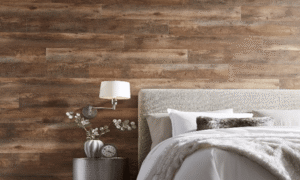
Timber has a natural warmth that can soften contemporary architecture and bring texture to otherwise clean spaces.
Rather than using timber everywhere, strategically placed features can make a stronger impact. This could include timber-lined ceilings, exposed beams, timber battens, feature walls, cabinetry or beautifully crafted timber doors.
Timber can also be used to draw attention to particular areas of the home. For example, timber detailing combined with carefully positioned spotlights can highlight the grain and texture of the material, creating a warm architectural feature in the evening without overwhelming the space.
The key is choosing quality materials and using them purposefully rather than simply following a particular timber trend.
2. Statement lighting and architectural spotlights
Lighting shouldn’t be an afterthought. When considered early in the design process, it becomes part of the architecture itself.
Spotlights can be used to highlight timber, stone, artwork, landscaping or architectural details, while wall lights can create softer layers of illumination throughout the home.
Instead of filling every room with the same downlights, think about what you actually want to illuminate. A thoughtful combination of task, ambient and feature lighting can completely change how a home feels after dark.
It also allows the materials and craftsmanship within the home to become features in their own right.
3. Natural stone
Like timber, natural stone has variations in colour, texture and pattern that give it inherent character.
Stone can work particularly well around fireplaces, entranceways, kitchen islands, exterior walls and landscaping. Used selectively, it can provide a strong visual anchor without dominating the design.
Because it is a natural material, it also tends to develop character rather than simply feeling outdated as fashions change.
4. Interesting ceiling details
Ceilings offer an opportunity to introduce architectural interest that is sometimes overlooked during the design process.
Raked ceilings can create a wonderful sense of volume, while timber-lined ceilings, exposed beams, skylights and subtle changes in ceiling height can help define different areas within an open-plan home.
The best ceiling features aren’t simply decorative. They contribute to the proportions, natural light and overall experience of the room.
5. Well-considered windows
Windows have an enormous influence on the character of a home.
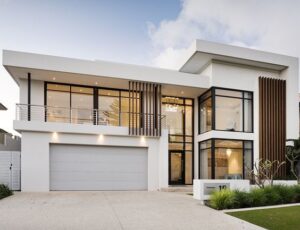
Their size, shape and position determine much more than the appearance of the façade. They influence natural light, views, ventilation, privacy and how connected the home feels to its surroundings.
Large windows aren’t always the answer, either. A carefully positioned picture window framing a garden or landscape can have more impact than an entire wall of glass.
The important consideration is designing windows in response to the home, the site and the way each room will be used.
6. Built-in joinery
Good joinery can make a home feel considered from the moment you walk through the door.
Window seats, bookshelves, integrated entertainment units, study nooks, mudrooms and built-in storage can all become architectural features while serving a practical purpose.
Custom joinery also allows you to make better use of awkward spaces and create details that feel specific to your family’s needs rather than added as an afterthought.
7. Indoor–outdoor connections
Creating a strong relationship between indoor and outdoor spaces is less about following a design trend and more about considering how you want to live in your home.
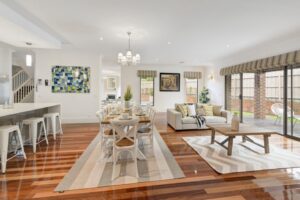
Large openings, covered alfresco areas, consistent flooring transitions and sightlines through to gardens can help the home feel more spacious and connected.
Even smaller architectural decisions, such as positioning a window to look onto landscaping or creating a sheltered courtyard, can significantly change the experience of a space.
8. Texture instead of excessive colour
Character doesn’t always need to come from bold colours or statement finishes.
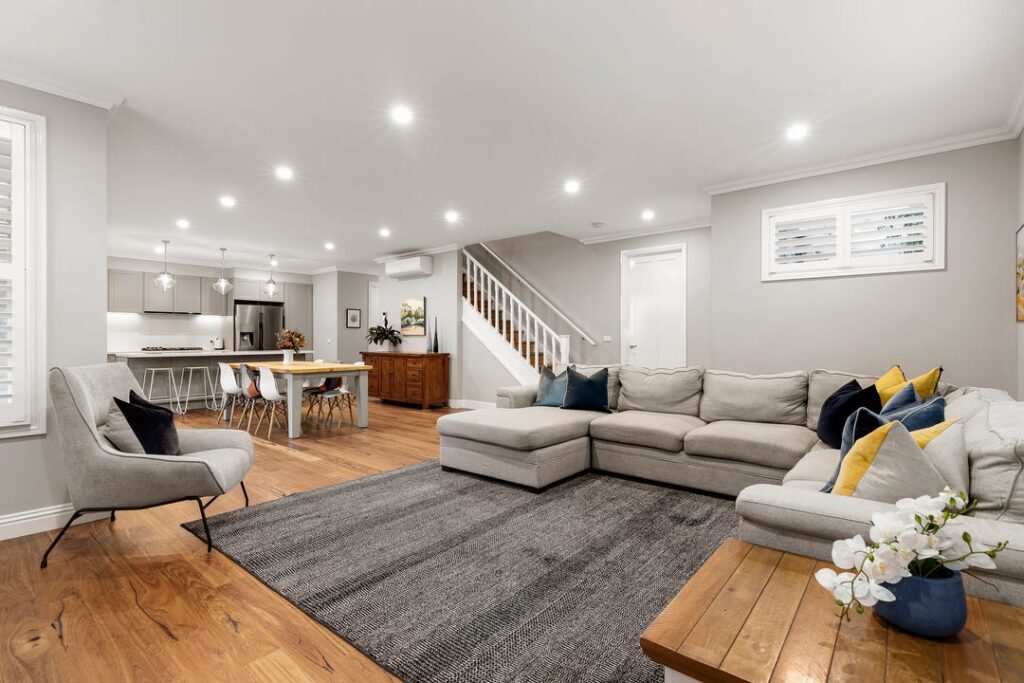
Often, combining subtle textures creates greater longevity. Timber, brick, stone, render, natural fabrics and textured surfaces can introduce depth while allowing the overall palette to remain relatively restrained.
This gives you flexibility to change furniture, artwork and décor over time without needing to reinvent the architecture of the home.
9. Architectural details with a purpose
Some of the most memorable features of a custom home are also the simplest.
A deep window reveal. A beautifully detailed staircase. A curved wall. An oversized entrance door. A timber screen casting changing shadows throughout the day.
These details work best when they relate to the broader architectural language of the home rather than being included simply because they’re currently popular.
Timeless doesn’t have to mean boring
Designing for longevity doesn’t mean creating a home without personality. In fact, the opposite is often true.
When character comes from quality materials, thoughtful proportions, natural light, craftsmanship and details that respond to the people who will live there, a home is far less reliant on trends to feel interesting.
That’s one of the advantages of building a custom home. You have the opportunity to make deliberate choices from the beginning, from timber features and architectural spotlights through to windows, joinery and ceiling details, so the finished home feels distinctly yours.
At Ramsay Builders, we believe the best homes aren’t simply designed to photograph well when they’re completed. They’re designed to be lived in, enjoyed and appreciated for many years to come.
If you’re considering a custom home and want to explore how thoughtful architectural details can bring your ideas to life, speak with the Ramsay Builders team early in the process.